


Look closer. Engineering construction
With around 40,000 new workers needed by 2030 engineering construction offers rewarding careers. School is just the start, help them build what comes next with these free resources for parents and teachers to introduce engineering construction careers to the next generation.
Competitive pay. Clear progression. Careers that matter.
Every time you charge your phone, pour a glass of water or grab something to eat skilled people are designing, building and looking after the facilities that make it possible.
It’s not about building houses, think bigger. Nuclear power stations, wind farms, oil and gas refineries and water treatment plants are just a few of the amazing places people who work in engineering construction power every day.
The industry is growing and actively recruiting the next generation. It has clear routes from education into work, opportunities to build long‑term careers in Britain or overseas and a wide range of roles available. Plus, with major UK projects underway and new technologies reshaping the sector, engineering construction has never been more exciting.
School is just the start. Help them discover what comes next.
Jobs in engineering construction include...
Welder, pipefitter, plater or electrician
They help to build and maintain systems that keep equipment running and people safe.
Project manager, controller or designer
Making sure a project is done properly, on time and with the right people and tools or thinking creatively to turn ideas into plans.
Scaffolder, erector or rigger
Building tall metal frames and lifting systems around buildings and machinery so people like welders and electricians can safely work at height.
Nuclear or wind turbine technician
Testing and checking to make sure parts and machinery are moving safely.
Jump to information tailored to you




Full profile details

What routes are there into engineering construction for my child?
“I chose the apprenticeship route for the chance to earn while you learn.”
Cailey Miller, Mechanical Designer Apprentice
Nuvia UK
Engineering construction careers offer clear progression, recognised qualifications and long‑term opportunities in a sector that continues to grow and evolve. The industry values skills, provides ongoing training and offers stable, meaningful careers that contribute to society.
Pathways into the engineering construction industry include:
- V-levels
A new incoming qualification to be introduced from September 2027. They sit alongside A-levels and T-levels as a third, explicitly vocational pathway. They are designed for students who want to explore different sectors before deciding where to specialise.
- T-levels
An alternative to A-levels, apprenticeships and other 16 to 19 courses. Equivalent to 3 A-levels. - Apprenticeships
As an apprentice, you will be employed by a company from day one and will combine practical training with study. - ECITB Scholarships
ECITB Scholarships equip the next generation of engineers with the skills needed for engineering construction projects both for now and the future. The full-time off-the-job engineering programme enables learners to gain industrial skills and knowledge as well as an industry-recognised qualification and CCNSG Safety passport. - Graduate opportunities
As a graduate in engineering construction you’ll experience the satisfaction and challenge of working on real-life projects while receiving a competitive starting salary and the opportunity to broaden your professional qualifications.
Click the button below to find out more about the routes into industry.
Find out more about career pathways

Will this career offer job security and strong future prospects?
For young people looking for stability alongside purpose and progression, engineering construction offers secure, future‑proof careers in an industry that continues to grow, innovate and invest in its workforce.
The industry underpins essential infrastructure such as energy production, water treatment, pharmaceuticals, manufacturing and environmental services – areas that will continue to be vital for decades to come.
As the UK modernises infrastructure, transitions to low‑carbon energy and as older members of the workforce retire, the need for skilled engineers, technicians and construction professionals continues to grow. In fact, the sector is expected to need around 40,000 new workers by 2030, creating sustained opportunities for young people entering the workforce.
Careers in engineering construction are built around transferable, specialist skills that remain valuable even as technology evolves. Training is ongoing, with many roles offering opportunities to gain recognised qualifications, professional accreditation and further development throughout a career. This helps individuals adapt to change and progress into senior, specialist or leadership roles over time.
Find out more about what motivates young people to join the industry

What opportunities are there for training, qualifications and progression?
Engineering construction offers structured training, recognised qualifications and clear progression ensuring young people can continue learning while they work and progress over time.
From the very start, whether through apprenticeships, college courses or graduate programmes, individuals receive a combination of practical experience and formal training. Many roles include time spent learning on the job alongside studying towards industry‑recognised qualifications that are valued across the sector.
As careers develop, there are opportunities to gain higher‑level and professional qualifications, including technical certifications, leadership training and accreditation with professional bodies. These qualifications support progression into more senior, specialist or management roles and help individuals adapt as technology and industry needs change.
Progression in engineering construction is often skills‑led rather than time‑served. This means motivated individuals can advance based on their ability, experience and willingness to learn. Someone may begin in a practical role, move into supervisory or technical positions and later progress into engineering, project management or leadership roles.
Engineering construction is a long‑term career pathway.
An example progression pathway.
There is no single route into engineering construction, but many careers follow a clear, structured pathway that allows individuals to build skills and progress over time.
Step 1: entry route
Young people may begin through:
- A college or technical qualification
- An apprenticeship or scholarship
- A university degree
At this stage, the focus is on building core knowledge, practical skills and understanding the industry.
Step 2: early career role
After completing initial training or education, individuals move into roles such as:
- Apprentice or trainee technician
- Graduate engineer or trainee project professional
- Skilled trade roles with supervision
They continue learning on the job while gaining industry‑recognised qualifications.
Step 3: skilled or specialist role
With experience, people progress into more independent roles, such as:
- Fully qualified technician or craft professional
- Design engineer or specialist engineer
- Supervisor or team leader
At this stage, skills become more specialised and responsibility increases.
Step 4: senior or leadership role
Over time, many progress into senior positions, including:
- Senior engineer or technical specialist
- Project manager
- Site manager or operations leader
Some choose to move into strategic, consultancy or leadership roles, while others continue developing deep technical expertise.
Find out more about ECITB training, tests and qualifications

How can I support my child and find out more?
Parents and guardians play an important role in helping young people explore their future options. Supporting a career in engineering construction does not require technical knowledge, it starts with open conversations, encouragement and access to accurate information.
Talking with your child about their interests, strengths and what they enjoy at school can help identify whether engineering construction may be a good fit. Subjects such as maths, science, design and technology, geography, or computing often align well with careers in the sector but practical skills, problem‑solving, teamwork and curiosity are just as important.
Finding out more can involve exploring trusted careers resources, speaking to school careers advisors or attending careers events, open days and employer talks.
Many organisations also provide videos, real‑life career stories and case studies that show what different roles look like day to day and how people progress over time.
Encouraging your child to gain experience such as taking part in school projects, workplace visits, work experience or skills‑based activities can help them build confidence and make informed decisions about their next steps.
Asking questions about training, qualifications, progression and long‑term prospects can also open up valuable discussions at home.
Practical ways parents can help
- Start regular conversations
about interests, favourite subjects and strengths. - Encourage curiosity
about how everyday infrastructure (energy, water, transport) is designed and built. - Use school support
by speaking to teachers or careers advisors about engineering and construction pathways. - Explore trusted careers resources
discover them together, including videos and case studies. - Attend events
such as careers fairs, open days or employer talks where possible. - Ask about pathways
including apprenticeships, college courses, university and graduate programmes. - Support skill development
such as teamwork, problem‑solving and practical learning - Reassure your child
there are multiple routes into the industry and that career choices do not have to be final
Here are some great resources to get you started:
Engineering a Better Future
Visit our Instagram page to hear real stories and keep up to date with the latest opportunities
Visit Engineering a Better Future
STEM.org
Science, technology, engineering and maths learning resources for all ages.
EUK education
Insightful resources, accessible funding, engaging activities and more.
WISE
STEM resources and activities for children to use at home.
James Dyson Foundation
Fun, hands-on engineering challenges for children aged 7-14 to try at home or in the classroom.
Try Engineering
A rich international portal offering high-quality engineering lesson plans and programmes for parents, educators and volunteers aiming to inspire school-age children through creative, curriculum enhancing activities.
Neon
Discover workshops, trips and events from leading providers, alongside inspiring case studies and supportive resources.
Technicians.org
Discover the crucial, exciting roles technicians play across society and the different paths you can take to become one.

Full profile details

How can I introduce engineering construction careers in my school?
(Gatsby benchmarks 1 & 4 – a stable careers programme; Linking curriculum learning to careers)
Engineering and construction careers offer strong and meaningful links to a wide range of curriculum subjects, helping students understand how their learning is applied in real‑world contexts.
Subjects such as mathematics, physics, chemistry, design and technology, geography, computing and English all underpin roles within the sector.
Core skills including problem‑solving, data analysis, teamwork, sustainability awareness, project planning and communication are equally essential in the classroom and in professional engineering and construction environments.
Educators can embed career‑related learning by using subject‑specific examples. In mathematics, students can explore how engineers use geometry, algebra and statistics to estimate materials, calculate loads, or plan project budgets. In physics, lessons on forces, energy,and materials can be linked to structural engineering, transport systems, or renewable energy infrastructure.
Chemistry topics such as material properties, corrosion and sustainability connect directly to construction materials, coatings and environmental impact.
Design and technology lessons naturally align with engineering through activities such as designing safer structures, developing prototypes, or improving product efficiency.
Geography provides opportunities to explore urban planning, land use, climate‑resilient infrastructure and the social impact of large construction projects.
Computing links to digital modelling, data analysis and automation techniques increasingly used across the industry, while English supports the communication skills required for technical reports, project proposals and collaborative working.
By integrating these practical examples into everyday teaching, for example, designing a low‑carbon building, analysing transport networks or evaluating materials for durability and sustainability, educators can demonstrate the relevance of subjects beyond assessment.
This approach supports curriculum engagement, raises career awareness and helps students make informed connections between what they study in school and future opportunities in engineering and construction.
Can the ECITB attend our school or college careers event?
The ECITB is always keen to support schools, colleges and careers events that help raise awareness of opportunities in engineering construction. We enjoy meeting students and sharing information about the industry, and we’ll do our best to attend where possible. However, attendance will depend on factors such as staff availability, location, audience size and how closely the event aligns with current regional activity.
To help us assess your request, please email info@ecitb.org.uk and provide:
- Event date and times
- Venue/location
- Expected number of attendees and age range of students
- Format of the event (e.g. careers fair, assembly, workshop)
- Details of any other employers or organisations attending
- Facilities available on site
- Confirmation deadline
If we’re unable to attend, we may still be able to support your event by providing digital careers resources, signposting relevant programme information, or connecting you with employers and organisations involved in engineering construction.
Can we receive careers information to share with students?
We do not currently send printed careers information by post. There is a wide range of up-to-date resources and career pathways information available across the ECITB website that can be shared with students, parents and careers advisers. This includes information on:
- Engineering construction careers
- Apprenticeships
- Scholarships
- Work Ready programmes
- Graduate opportunities
Please note that programme-specific information should always be taken directly from the current ECITB website, as locations, application dates and eligibility requirements may change throughout the year. This ensures students receive the most accurate and up-to-date information available.

What career pathways are there for students?
(Gatsby benchmarks 1 & 3 – a stable careers programme; Addressing the needs of each pupil)
Engineering and construction is a diverse and inclusive sector, offering a wide range of career pathways that suit students with varying abilities, learning styles and career aspirations.
Opportunities exist for students who prefer hands‑on, practical learning as well as those who thrive in academic or technical environments.
Career routes include technical qualifications, T-levels, apprenticeships, scholarships, college‑based study, university degrees and graduate programmes.
Importantly, these pathways are not fixed. Students can progress, retrain, or specialise as their interests develop. This flexibility allows careers advisors to provide personalised guidance that reflects individual student needs, ensuring all learners, including those with SEND or those who may not wish to pursue a traditional academic route, can see a viable and rewarding future within the sector.
Click the button below to find out more about the routes into industry.
Find out more about career pathways

How can engineering construction careers help raise aspirations and challenge stereotypes?
(Gatsby benchmark 3 – addressing the needs of each pupil)

How can engineering and construction careers help students understand real‑world impact and future skills?
(Gatsby benchmarks 2 & 5 – learning from career and labour market information; Encounters with employers and employees)
Engineering and construction careers offer students a clear sense of purpose by demonstrating how work in the sector contributes directly to society.
From delivering sustainable infrastructure and reducing environmental impact to improving transport, housing and energy systems, these careers allow students to see the tangible outcomes of their skills and knowledge.
The sector also develops the future‑focused skills identified by employers and labour‑market data, including teamwork, leadership, digital capability, critical thinking and adaptability. By engaging with engineering and construction career learning, students gain insight into industries with strong long‑term demand, helping them make informed choices about their next steps while understanding how their future work can positively affect communities and the wider world.

Full profile details

Video | What is the ECI?
Learn how the engineering construction industry powers your every day
Discover how the engineering construction industry helps power everyday life. From generating electricity and treating water to building the infrastructure we all rely on, this video explains what the ECI is, what it does and why it plays such an important role in shaping the world around us.
Gatsby benchmark 2 – learning from career and labour market information
Explains what the industry is, what it does and why it matters.
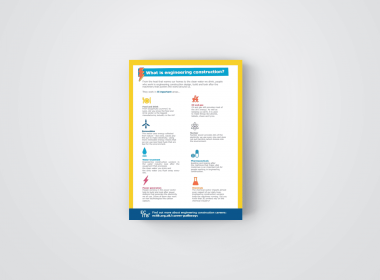
Fact sheet | What is the ECI?
Understand the 8 sectors within the engineering construction industry
A simple introduction to the 8 sectors within the engineering construction industry, designed to build awareness and curiosity before subject choices are made.
Download ‘what is the ECI?’ fact sheet
Gatsby benchmark 2 – learning from career and labour market information
Provides clear, accessible information about the sector and opportunities.
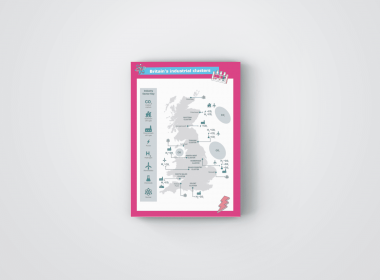
Leaflet | Understanding the industrial clusters
Learn about Britain's industrial clusters
Learn about Britain’s industrial clusters and how groups of industries work together across different regions of the UK. This leaflet explains where key engineering construction activity is based, what happens in each cluster and why these areas are vital to powering the country and supporting future careers.
Download ‘Britain’s industrial clusters’ leaflet
Gatsby benchmark 2 – learning from career and labour market information
Introduces where engineering construction activity happens across the UK.
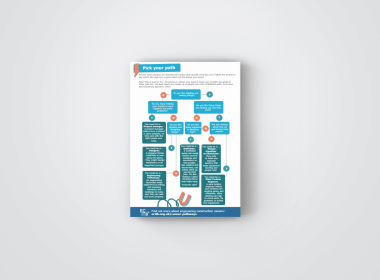
Quiz | Pick your path
Students follow the arrows to see which job might be a good match for the things they enjoy
Not sure which role might suit you best? Follow the arrows in this quick quiz to explore different jobs in engineering construction and see which ones match the things you enjoy, your interests and how you like to work.
Download ‘pick your path’ printed quiz
Visit ‘pick your path’ quiz online version
Gatsby benchmark 3 – addressing the needs of each pupil
Helps students explore roles that match their interests and preferences.

Quiz | Job detectives
Meet some of the people working in engineering construction. Can students match the tool to the job?
An introduction to the world of engineering construction, designed to build awareness and curiosity before subject choices are made. Can students match the tool to the job role?
Download ‘job detectives’ quiz
Gatsby benchmark 4 – linking curriculum learning to careers
Encourages students to connect skills, subjects and real‑world jobs.
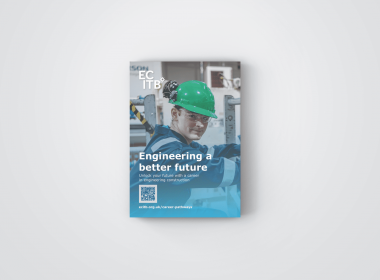
Leaflet | Engineering a better future
Covering career pathways, what is the eci and quotes from those already in industry
Learn about engineering construction is, hear from people who work in engineering construction and discover the pathways available after GCSE’s.
Download ‘engineering a better future’ leaflet
Gatsby benchmark 3 – addressing the needs of each pupil
Focuses on aspiration, purpose, sustainability and challenging stereotypes.

Video | Graduate case studies
A playlist packed full of real stories from ECI graduates
Hear directly from graduates working in engineering construction as they share their own career journeys. These short videos show what graduate roles are really like, the projects they work on and how they’ve developed their skills since starting in the industry.
Meet a Graduate – Eloise Knights, Bechtel
Meet a Graduate – Simon Robinson, Bechtel
Gatsby benchmark 5 – encounters with employers and employees
Students hear directly from people working in the industry.

Leaflet | ECITB Scholarships
Learn more about ECITB Scholarships
Find out how our scholarships can support you on your journey into engineering construction.
Download ‘scholarships’ leaflet
Gatsby benchmark 7 – encounters with further and higher education
Explains post‑16 options.

Video | ECITB Scholarship case studies
Real stories from ECITB Scholars
Meet ECITB Scholar Patrick Grannon
Meet the ECITB Scholars at Richmond upon Thames College
Gatsby benchmark 7 – encounters with further and higher education
Real examples of progression through education pathways.
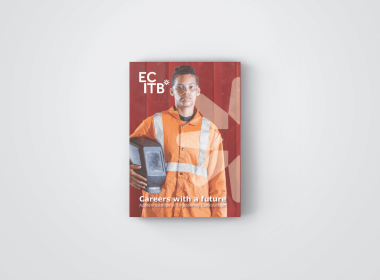
Leaflet | ECI Apprenticeships
Learn more about engineering construction apprenticeships
Learn how apprenticeships can help you earn, learn and start a career in engineering construction.
Download ‘apprenticeships’ leaflet
Gatsby benchmark 7 – encounters with further and higher education
Covers apprenticeship routes alongside academic options.

Video | Apprenticeship case studies
A playlist packed full of real stories from ECI apprentices
Hear from apprentices working in engineering construction. These videos show how apprentices balance learning and earning, the projects they work on and how their skills and confidence have grown.
Watch apprenticeships playlist
Gatsby benchmark 7 – encounters with further and higher education
Covers apprenticeship routes alongside academic options.
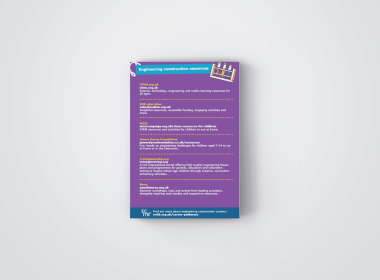
Fact sheet | Useful resources
Websites to visit for activities and information
This fact sheet brings together key information, links and guidance to help you learn more about the engineering construction industry.
Download ‘useful resources’ fact sheet
Gatsby benchmark 1 – A stable careers programme
Supports teachers by bringing together guidance, links and classroom resources.




Sign up for updates
Your information will be used to subscribe you to our e-newsletter.
For more information, please see our Privacy Notice.